

Jellycat Sues Next, Hamleys and Bessie London: Can Trade Mark Law Protect a Toy’s “Look and Feel”?
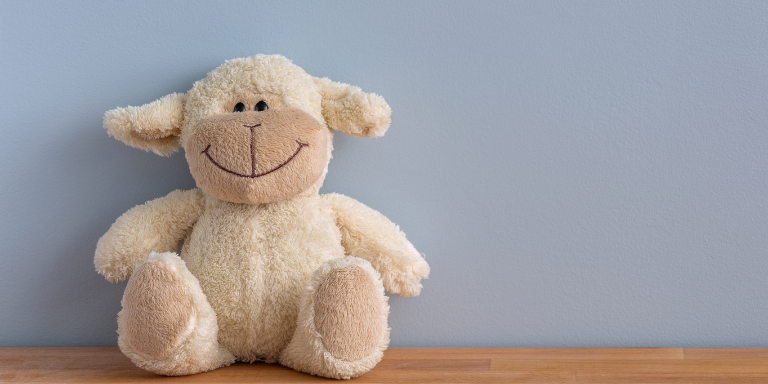
Popular soft toy company Jellycat has issued High Court proceedings against Next, Hamleys and Bessie London for trade mark infringement and passing off.
Jellycat is known for its range of whimsical plushies, which includes both classic toys such as teddy bears and more unique designs such as items of food or other everyday objects. The toys often have a simple, cute smiley face on them. Jellycat has recently become very popular, particularly among Generation Z, due to exposure on TikTok and Instagram, and many see the toys as collectible items.
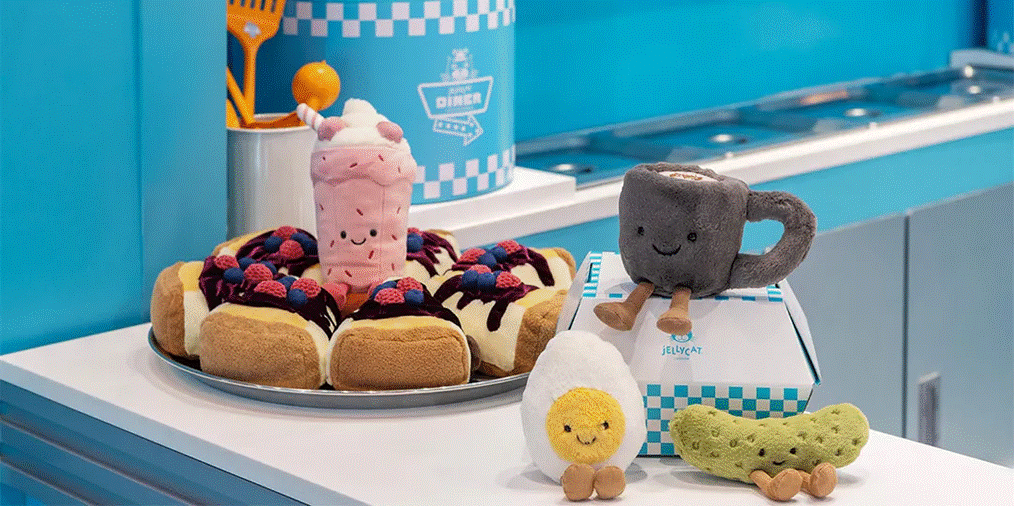
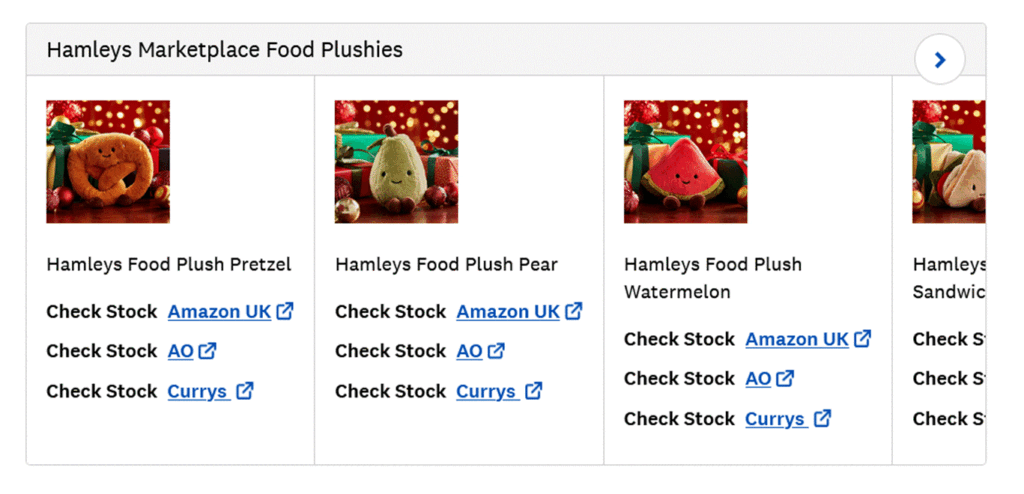
At this stage, no detailed information is available regarding the alleged infringements or the specific rights relied upon by Jellycat. We note that Hamleys did recently sell a range of food-themed plushies which appear to pay homage to Jellycat:
It is not clear which trade marks Jellycat would be relying upon for an infringement claim. A brief review of the UK IPO website suggests it does not have trade marks for the appearance of the toys themselves, so it may be that Jellycat is arguing infringement of a word or logo mark.
Passing off may be challenging to make out, particularly if Jellycat’s case rests merely on the similarity of the appearance of the toys rather than, say, use of similar branding on the labels. The key question will be whether there has been a misrepresentation as to the origin of the goods. In a space as saturated as the soft toy market, it could be an uphill battle for Jellycat to successfully argue that consumers would be misled simply by a toy sharing some features with its toys, particularly if the defendants can show that these features are widespread in the market. That said, if Jellycat can produce evidence of actual consumer confusion, its claim will be bolstered.
Several years ago, Jellycat brought proceedings against Aldi for registered design infringement, alleging that a soft toy dragon sold by Aldi copied its ‘Dexter Dragon’ design. The case ultimately settled without going to a final decision.
Earlier this year, we published an article discussing the application of IP law to ‘lookalike’ cases. Jellycat’s history of litigation reinforces the point that brand owners have several channels through which they can protect the look and feel of their products, with trade marks and registered designs likely to be the most straightforward and cost-effective route for protecting important product and packaging designs.